What the High Atlas actually is
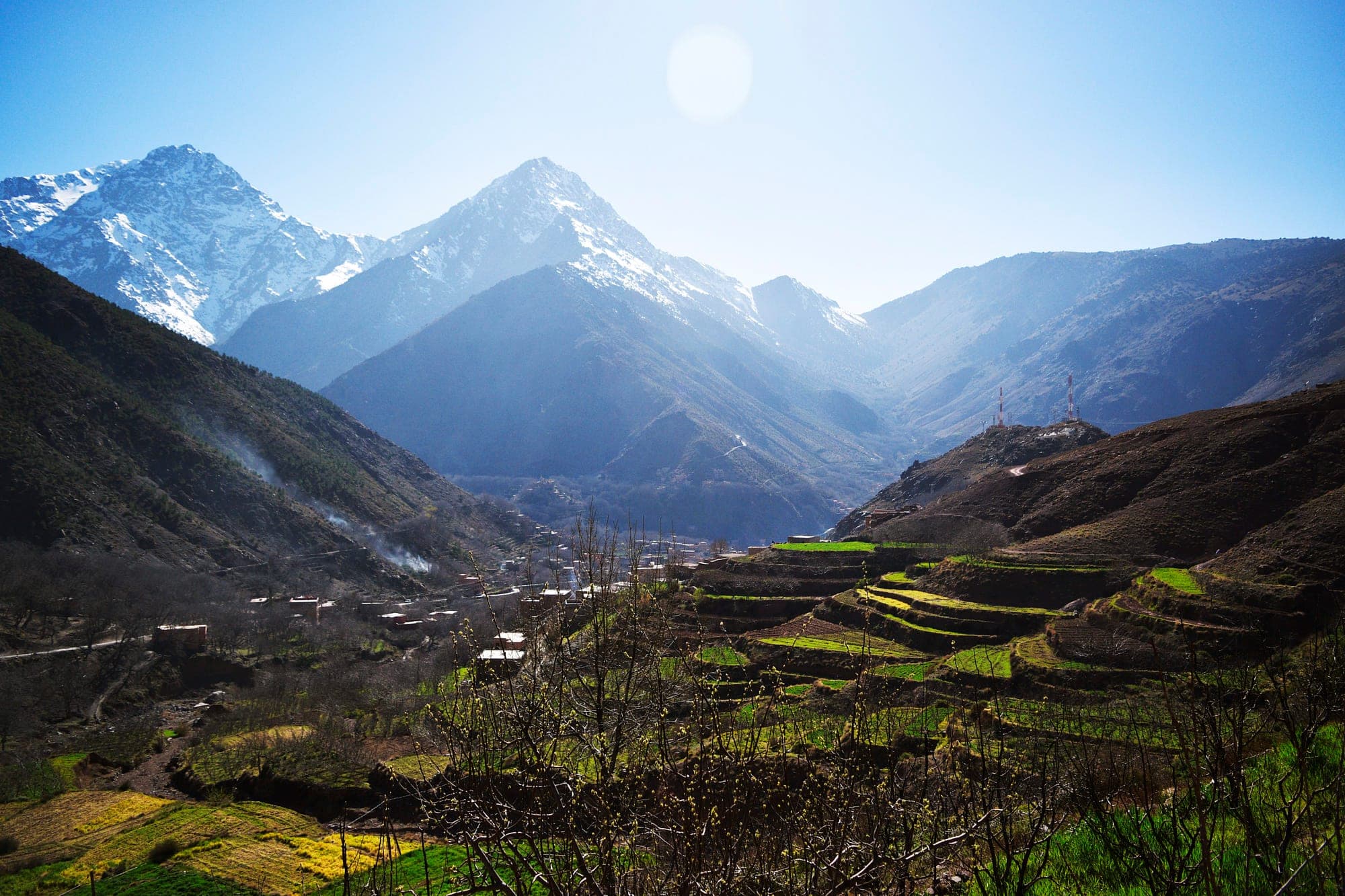
The High Atlas is the highest mountain range in North Africa, stretching across central Morocco from the Atlantic coast to the Algerian border. It peaks at Jbel Toubkal (4,167m) - a mountain that appears on clear days from Marrakech, 65km to the south. The range is not simply scenery. It is a living landscape of Berber villages, terraced farms, and walnut groves, inhabited by communities whose language and architecture have stayed largely intact despite the tourism that passes through. According to Travilto’s local-guide network, the High Atlas is best approached from Marrakech via Imlil for serious trekking or Ourika Valley for a gentler first visit.
The two main access points divide visitors naturally. Imlil, at 1,740m, is the trailhead village for Toubkal and the Atlas trekking circuit. Arrive here and you are immediately in the mountains - mule paths, stone guesthouses, and the smell of thyme from the hillsides. Ourika Valley, by contrast, is a long green corridor running south-east from Marrakech, ending at Setti Fatma and its famous tiered waterfalls. Accessible to anyone, in any season.
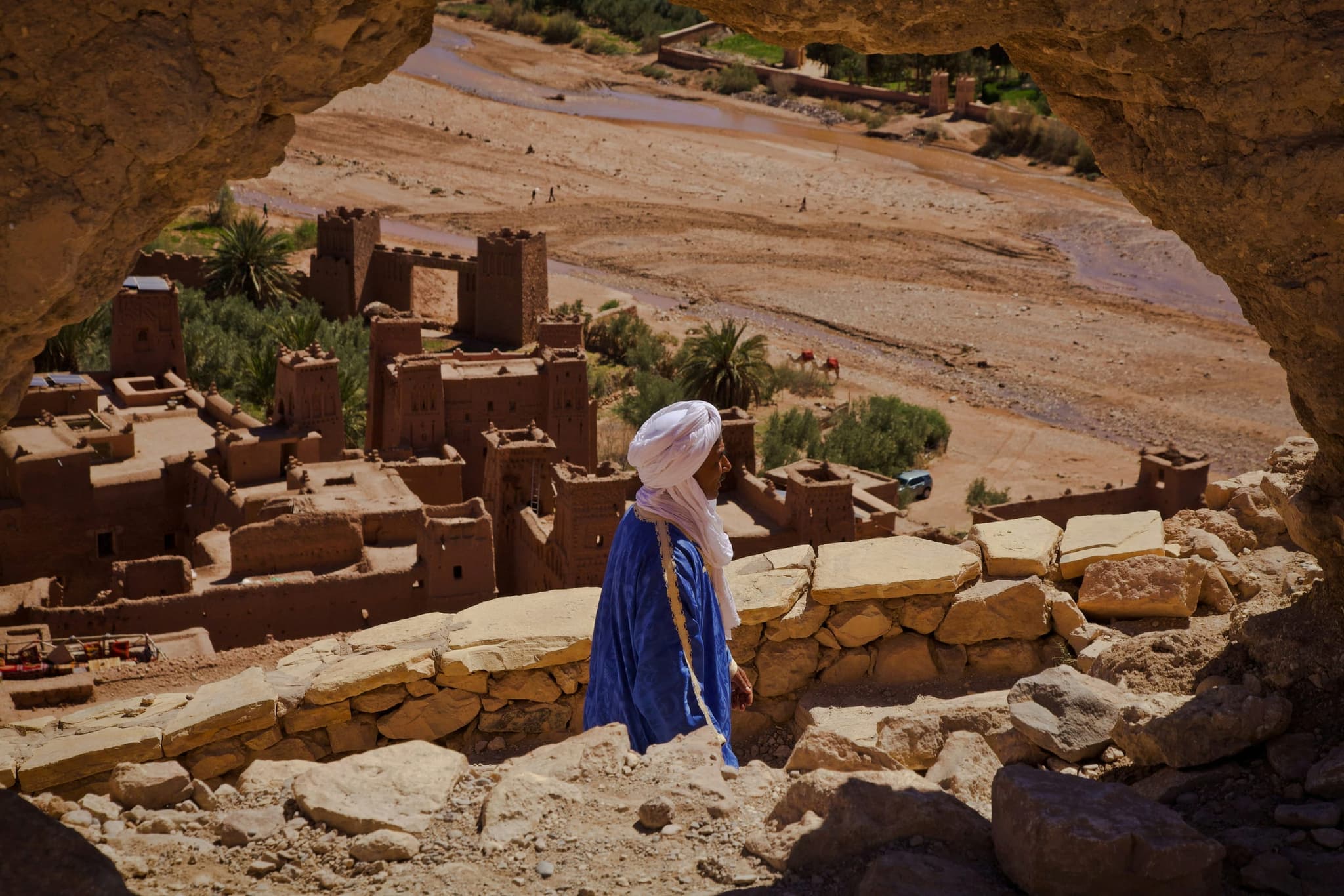
What makes the High Atlas different from a typical day trip is that you are entering a functioning mountain culture - not a park, not a reconstruction. The Amazigh (Berber) people who live here are not performers. A good guide introduces you properly; a bad one treats the villages as props. The difference is noticeable and worth caring about before you book.
One honest caveat: altitude sickness is real above 3,000m, and some operators misrepresent difficult trails as “easy hikes.” If you are planning anything above the Imlil-to-Aroumd level, tell us your fitness, your experience with altitude, and the number of days you have - our guides will give you an honest route, not an ambitious one.
What Travilto travelers ask about most
Six topics that come up in almost every High Atlas conversation. Ask us anything specific.
Ourika Valley day trip
Waterfalls, Berber markets, and the easiest Atlas intro
Imlil trekking
Half-day, full-day, and multi-day routes from the village
Toubkal summit
North Africa's highest peak - what it takes to reach it
Berber village visits
How to visit without it feeling extractive or staged
Mule trekking
The slower, lower-altitude way to see the Atlas
Winter in the Atlas
Snow treks, ski touring near Oukaimeden, and what closes
Ranked by difficulty and what our guides would recommend first
All distances from Marrakech. Prices per person, shared transport unless noted.
Ourika Valley & Setti Fatma Waterfalls
Easy7–8 hours · from €35The most accessible Atlas day trip. A Berber market, a river walk, and seven tiered waterfalls at the end. Best on a Monday - market day in Setti Fatma.
Ask about this routeImlil & Aroumd Village
Easy–Moderate7–8 hours · from €55Imlil is the trailhead village for Toubkal - but even without summiting, the walk to Aroumd above it is one of the best half-days in Morocco. Mountain views the entire way.
Ask about this routeAgafay Desert + Atlas Combo
Easy6 hours · from €65Stone desert in the morning, Atlas foothills in the afternoon. A good option for travelers who want variety without committing to a full trek.
Ask about this routeFull-Day Atlas Trek (custom route)
Moderate9–10 hours · from €90A private guide, a packed lunch, and a route chosen for your level. The guides we work with design these based on your fitness - not a fixed loop.
Ask about this routeToubkal Summit - 2 Days
Strenuous2 days / 1 night · from €1804,167m. No technical climbing, but real altitude - acclimatization day recommended. Our guides are Toubkal-certified and honest about when conditions are safe.
Ask about this routeOukaimeden Ski Day (winter only)
VariesFull day · from €75Morocco's only ski resort sits at 2,600m above the Atlas. Basic infrastructure, short runs, zero queues - a genuinely surprising day for skiers who didn't expect this in Africa.
Ask about this routeThe villages that make the Atlas worth visiting
Imlil
The main trekking base. Small, functional, and increasingly well-organized. Where serious hikers sleep before a Toubkal attempt and day-trippers start their walk to Aroumd. The village sits at 1,740m - already above the heat of Marrakech - with mule tracks threading between stone guesthouses and walnut orchards. Best for: anyone planning an Atlas trek, however long or short.
Setti Fatma (Ourika Valley)
End point of the Ourika day trip and home to the waterfall trail. A Monday market brings the whole valley here - the best single reason to time your visit. The waterfall hike above the village takes 45 minutes each way and passes through terraced fields. Best for: first-time Atlas visitors, families, and anyone who wants a waterfall without a full day of hiking.
Aroumd
A 45-minute walk above Imlil. Higher, quieter, and with a view of Toubkal that most visitors never see. The terraced fields and traditional mud-brick houses here are intact in a way that Imlil - with its guesthouses and cafés - is slowly losing. Worth the extra effort even for non-hikers. Best for: those who want to go a step beyond the standard Imlil stop.
Oukaimeden
A plateau at 2,600m - ski resort in winter, high-altitude walk in summer. Few tourists know it exists outside of ski season, which makes it the most underused day in the Atlas. The drive up from Marrakech passes through cedar forests and Berber hamlets. Best for: skiers in January–February, and hikers who want altitude without the Toubkal commitment.
Questions travelers ask about the High Atlas
What is the best day trip to the High Atlas from Marrakech?
Ourika Valley is the easiest and most accessible - suitable for all fitness levels, with a river walk and waterfall at the end. Imlil is better for hikers who want altitude and mountain scenery. Both are under 90 minutes from Marrakech and return the same evening. Budget €35–€65 per person.
Do I need a guide to trek in the High Atlas?
For Ourika Valley and the walk to Aroumd - no, but a local guide adds real context (plant names, village history, the right cafés). For Toubkal and anything above 3,000m - yes, both for safety and navigation. Licensed mountain guides in Morocco carry a FRMAM certification. Ask to see it.
Is the Toubkal summit suitable for beginners?
It depends on your fitness, not your experience. Toubkal requires no technical climbing, but the altitude (4,167m) causes real symptoms - headaches, nausea, slow pace - even in fit people. A two-day itinerary with an acclimatization night at the refuge is strongly recommended. Solo ascents without a guide are discouraged.
What is the best time of year to visit the High Atlas?
April, May, September, and October. Spring brings wildflowers and snowmelt streams; autumn is clear and dry. Summer (June–August) is hot in the valleys but pleasant at altitude. Winter is for experienced trekkers only - snow above 2,000m is common from December to February, and some trails close.
How long does it take to reach the High Atlas from Marrakech?
Imlil is about 75 minutes by car (65km). Ourika Valley (Setti Fatma) is about 60 minutes (60km). Both routes are scenic but winding in the final stretch. Shared minibus transport exists but adds time - most travelers book a private driver or join a small group tour.
Are Berber village visits respectful tourism?
They can be - if done correctly. Avoid group tours that treat villages as photo stops. The guides in our network are from these communities and can introduce you properly. Ask before photographing people, buy from local cooperatives rather than tour-packaged craft shops, and do not expect everything to be staged for Instagram.
11 mountain guides answer questions about the High Atlas every week.
Our Atlas guides are from Imlil, Aroumd, and the Ourika Valley - not city-based operators with a van and a script. They know which trails are overcrowded, which refuges serve a real meal, and when Toubkal is actually safe to summit. You can ask them directly.